Table Of Contents
The Role of Tradition and Craft
Tradition, Onur explains, acts as a cultural mechanism that preserves identity while shaping how products are conceived and produced. Craft culture, deeply embedded in Turkish society, continues to inform material choices, forms, colors, and production methods.
Rather than limiting innovation, tradition nurtures it supporting sustainable practices and collaborative processes. In this sense, craft and heritage become catalysts in idea development and production phases, reinforcing design as both a cultural and strategic discipline.
Why does a Business need a Focused Content Strategy?
The Character of Turkish Design
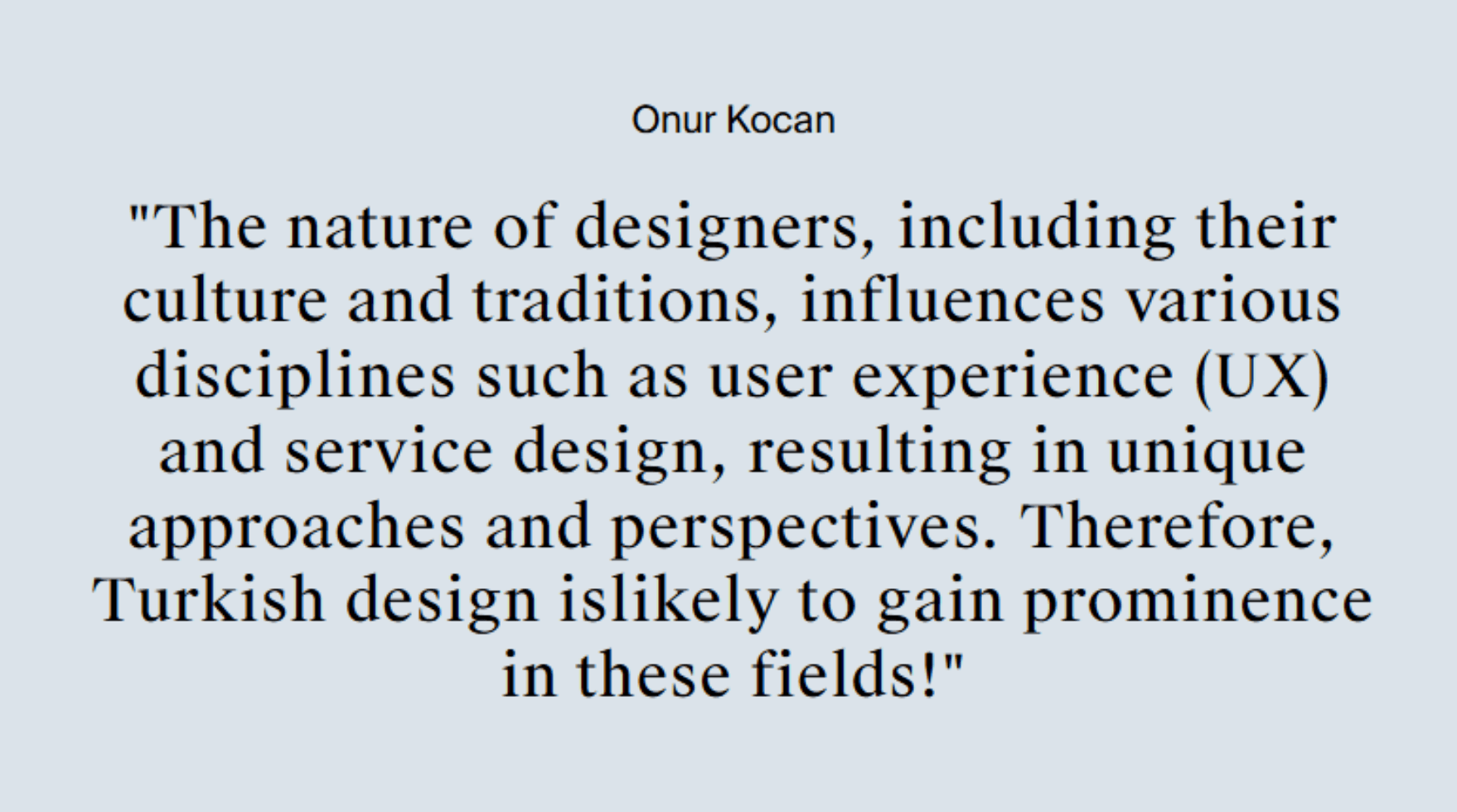
Onur emphasizes that Turkish design is deeply influenced by cultural context and societal needs. Designers in Turkey respond to local realities while remaining connected to global design trends and technologies.
He highlights how Turkish design shares similarities with countries that have comparable cultural and social dynamics — such as Mexico while also aligning with leading design-driven nations through technological awareness and contemporary methodologies. Many Turkish designers work internationally, contributing their perspectives to global markets while adapting to new cultural environments. This exchange creates a layered and evolving design identity.
Does “Turkish Design” Exist?
According to Onur, every country develops its own design language shaped by geography, tradition, and collective memory — and Turkey is no exception.
Historically, what was once referred to as the “Moorish” or “Turkish style” influenced decorative arts and furniture design from the late 19th century to the early 20th century. Today, Turkish design continues to manifest in everyday objects shaped by cultural rituals — from the iconic thin-waisted tea glass to culinary products such as Turkish delight.
A notable example of Turkish design’s global resonance occurred in 2014, when a U.S. beverage company marketed the traditional Anatolian thin-waisted tea glass as the “perfect whiskey glass.” This reinterpretation demonstrated how culturally rooted objects can gain new meaning in international markets.
Onur notes that cultural background inevitably influences disciplines such as UX and service design, leading to distinct approaches and perspectives within Turkish design practice.
The Role of Tradition and Craft
Tradition, Onur explains, acts as a cultural mechanism that preserves identity while shaping how products are conceived and produced. Craft culture, deeply embedded in Turkish society, continues to inform material choices, forms, colors, and production methods.
Rather than limiting innovation, tradition nurtures it — supporting sustainable practices and collaborative processes. In this sense, craft and heritage become catalysts in idea development and production phases, reinforcing design as both a cultural and strategic discipline.
The Turkish Design Ecosystem Today
The contemporary design scene in Turkey has largely focused on UX design and industrial design — disciplines that have gained global prominence. Service design is expected to grow significantly in the coming years, particularly in areas with strong social impact potential.
As a rapidly evolving country, Turkey demonstrates openness to innovation and emerging trends. However, the industry faces structural challenges, including limited opportunities and strong competition. Onur highlights the importance of national policies that support design, similar to models seen in Germany, Japan, and Sweden.
Despite these constraints, competition often becomes a driving force — pushing designers to refine their skills and elevate standards.
Advice for Young Designers in Turkey
1. Build a Network
Engage with design communities, institutions, and NGOs to understand the country’s design culture and professional dynamics.
2. Understand High-Impact Disciplines
Identify leading and emerging fields — such as UX and service design — and develop both short-term and long-term career strategies.
3. Focus on Social Impact
Turkey offers strong potential for socially driven innovation projects. Designers who engage in service design and community-centered initiatives can create meaningful change.
Award Winning Work: Pundit
Among Onur Koçan’s recognized projects is Pundit, winner of the iF DESIGN AWARD 2023. Pundit is an information verification service that applies an evidence-based approach to validate social media content. By gathering expert and professional insights, the platform delivers trusted, time-saving verified opinions in a single accessible system.

More Blogs